MiFID II Impact on CFD Brokers
The
European Union’s overhaul of its financial markets framework under the MiFID
II/MiFIR Review has now taken effect. As of 29 September 2025, all Member
States were required to transpose the revi...

The
European Union’s overhaul of its financial markets framework under the MiFID
II/MiFIR Review has now taken effect. As of 29 September 2025, all Member
States were required to transpose the revi...

The UK EMIR reporting regime is being updated to improve derivatives data quality and consistency, affecting not only banks but also brokers, platforms, fintechs, and crypto firms involved in deriv...

The AI revolution is undeniable, but it’s time to recognize the boundaries of what current models can truly deliver without real data access. The lesson for business is clear: without proprietary d...

The updated MiFID II/MiFIR reforms introduce several key changes for EU brokers, including the abolition of PFOF, simplification of Best Execution reporting (RTS 27/28 reports removed), and the fut...

The EU Data Act became legally binding on September 12, 2025, fundamentally shifting the power balance in the digital economy. Its goal is to make industrial, client, and trading data more accessib...

The SEPA Instant Payments Regulation (EU 2024/886) establishes a mandatory, 24/7/365 standard for euro transfers to be completed within 10 seconds (effective Oct 2025). This instantly removes clien...

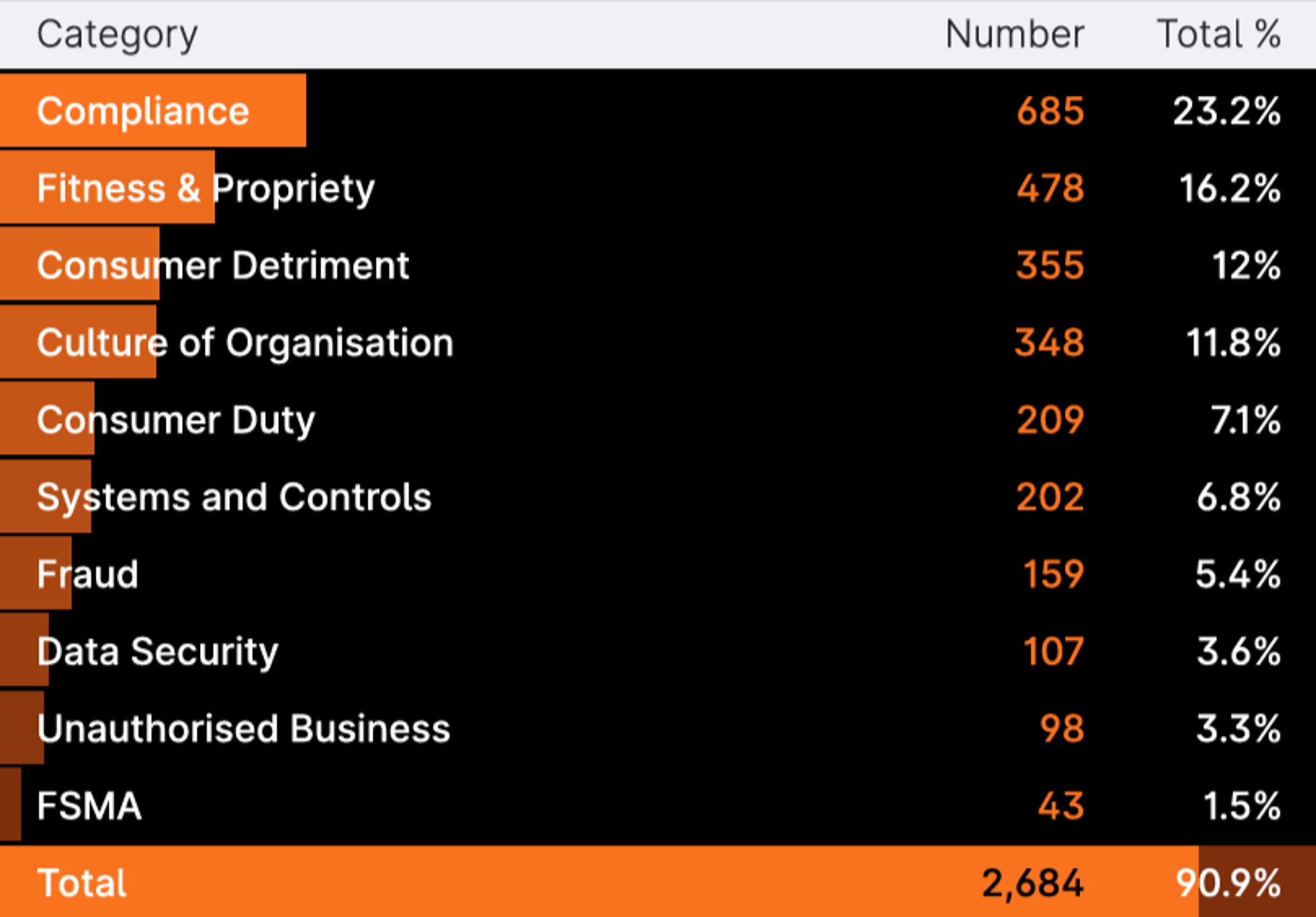
Q3 2025 regulatory focus intensified, with MFSA exposing compliance gaps in market abuse detection among Malta brokers. The FCA radically scaled enforcement (3,200% increase) using AI to target fin...

The Dubai Financial Services Authority (DFSA) has just announced a major regulatory and technological upgrade that promises to cut licensing timelines by up to 33%. Dubbed DFSA Connect, the new pla...

The EU AI Act is in force and key enforcement deadlines have passed, making AI governance and compliance requirements legally binding for fintech firms, retail brokers, and their technology providers.

The EU is establishing the Anti-Money Laundering Authority (AMLA) to strengthen and centralize AML supervision across Member States. With a single rulebook and direct oversight of high-risk institu...

The European Accessibility Act requires financial firms, especially retail trading platforms and fintechs—to make their digital services accessible to persons with disabilities, turning accessibili...

The European Commission’s targeted consultation aims to advance the Capital Markets Union by reducing regulatory fragmentation and cross-border barriers, making it easier for companies to raise cap...

Effective 1 April 2025, the Cayman Islands’ updated VASP rules require licensing for virtual asset custodians and trading platforms, strengthen governance and registration requirements, and align t...

A shift toward deregulation and reduced enforcement will reshape compliance obligations for brokerages, crypto firms, and payment providers. We break down what’s changing and how businesses should ...

DORA is an EU regulation that strengthens cybersecurity and operational resilience in financial institutions, ensuring they can manage and recover from digital and IT-related disruptions.